
PROJECT OVERVIEW
Le’Colaz is an innovative system that reimagines construction and renovation through modular, circular, and intelligent design. Inspired by LEGO-like principles, it combines bio-based and recycled materials with advanced digital technologies to create adaptable and resource-efficient buildings. The system integrates two digital platforms the Internet of Materials Module (IoM²) and the Internet of Building Brain (IoB²) which enable real-time monitoring, predictive maintenance, and data-driven decision-making. By fostering reuse, adaptability, and circularity, Le’Colaz supports the transition toward sustainable and climate-resilient built environments. Validated through two Living Labs in Athens and Trondheim, the project demonstrates measurable improvements in energy efficiency, resource conservation, and building adaptability paving the way for the next generation of circular, intelligent, and future-proof buildings.
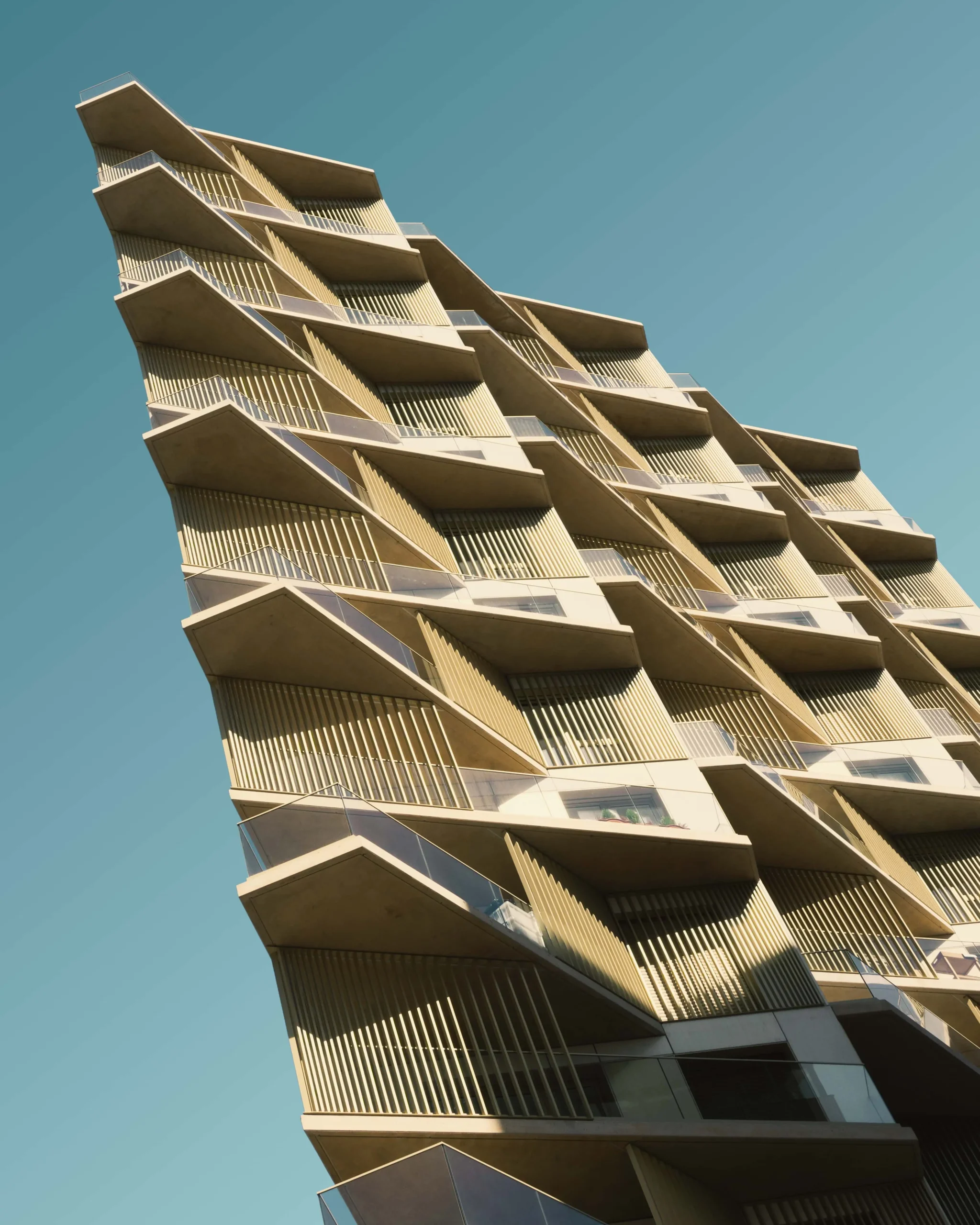
Le’Colaz project delivers measurable environmental, economic, and social benefits. The system significantly reduces carbon emissions and construction waste by extending the life cycle of building components and promoting reuse. It boosts resource efficiency, lowers renovation costs, and enhances quality of life and working conditions through adaptable, intelligent design. By setting new standards in circular modular construction, Le’Colaz strengthens Europe’s leadership in sustainable innovation and supports the EU’s 2050 climate neutrality targets.
Le’ Colaz envisions a future where buildings are no longer static structures but living, adaptive ecosystems. These intelligent environments evolve continuously responding to societal needs, climate challenges, and regulatory changes while nurturing sustainability, inclusivity, and resilience across urban landscapes. Our mission is to transform construction and renovation into dynamic, circular processes that harmonize environmental responsibility with human-centered design. Through modular systems, digital intelligence, and collaborative innovation, Le’ Colaz empowers a new generation of sustainable, adaptable, and resource-efficient buildings. Today’s construction industry faces mounting challenges resource depletion, waste generation, and outdated building stock hindering progress toward sustainability goals. Le’ Colaz addresses these needs through a modular “snap-fit” design inspired by LEGO bricks, integrating bio-based materials and digital intelligence to enable circular use and adaptive reuse of components. The dual-platform architecture IoM² and IoB² bridges the physical and digital worlds, enabling real-time monitoring, predictive maintenance, and AI-driven optimization. This approach ensures that buildings are designed not only for today’s needs but for continuous evolution, embodying the principles of the circular economy and the New European Bauhaus.
Le’ Colaz embraces regenerative design principles and goes beyond sustainability to enhance local environments, strengthen urban resilience, and improve community well-being. Through modular, AI- and IoT-enabled solutions, technology and nature are integrated to create positive environmental impact throughout every stage of the lifecycle. Le’ Colaz thrives within dynamic ecosystems that unite research, industry, and communities to drive regenerative innovation.
Strategic partnerships ensure the commercialization of project results by bringing integrated modular solutions to market, with partners acting as suppliers, technology providers, or integrators.
Le’ Colaz builds strong networks that connect research, industry, and communities to drive the transition toward sustainable, modular, and adaptable construction. Through collaboration with initiatives, EU innovation clusters, and regional networks, the project fosters knowledge exchange, innovation, and circular practices, creating a connected ecosystem that accelerates progress in sustainable construction.
Innovative modular and sensor-based solutions perform under diverse environmental and operational conditions. Through close collaboration with stakeholders and simulation-driven analysis, each use case defines specific requirements while ensuring compliance with European safety and sustainability standards. Building on these foundations, simulated validations and digital twin demos explore how modular components can be integrated across different building typologies and climates.
Subscribe to our Newsletter!